Computing History
The Pearcey foundation is involved in many activities that aim to preserve and promote our ICT history and legacy.
The Pearcey Foundation's computing history activities that record our history past and as it happens include:
Guest blog by Barbara Ainsworth
Trevor Robinson contributed to the development of computing in Australia for more than 60 years in many different areas
combining good technical knowledge with an understanding of the needs of the computer customers in a rapidly evolving computer industry.
Celebrating another great milestone in Australian computing history, today CIRRUS is installed for your viewing pleasure on Level 1 Ingkarni Wardli at Adelaide University. More of her accessories and signage to be displayed in the new year. On behalf of all Australians, our appreciation to the Adelaide University Librarian, Siân Woolcock, and the Library Special Collections team (Fiona Borthwick, Kate Moskwa, Kate Sinclair and Elizabeth Pascale) for their outstanding efforts in restoring and presenting CIRRUS.
Australia has a rich and dynamic history of invention, innovation, and commercial success in developing electronics products in computing and allied fields. Many of these achievements are within living memory. In this series of interviews by documentary expert Karl von Moller we hear first hand from the people who pioneered this era of modern electronics innovation in Australia.
Guest blog by Barbara Ainsworth
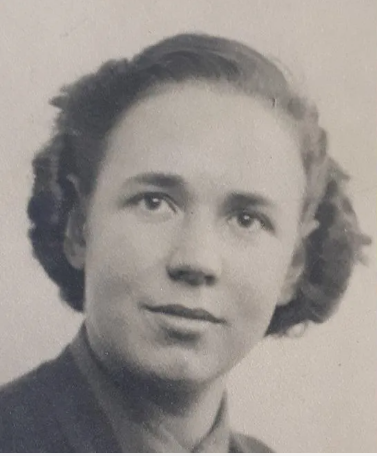
Mary Lee Woods enjoyed a short career in Australia at Mount
Stromlo. Her son, Tim Berners-Lee, is known as the “Father of the Web”. Mary accepted the name “Grandmother of the Web’. She should be
celebrated for her own career in programming.
Mrs Barbara Ainsworth, Curator of the Monash Museum of Computing History has published a new biography of Dr Trevor Pearcey, Dean of
the School of Computing and Information Systems (1980-1984).
This section contains a collection of papers and notes about Australian ICT history.